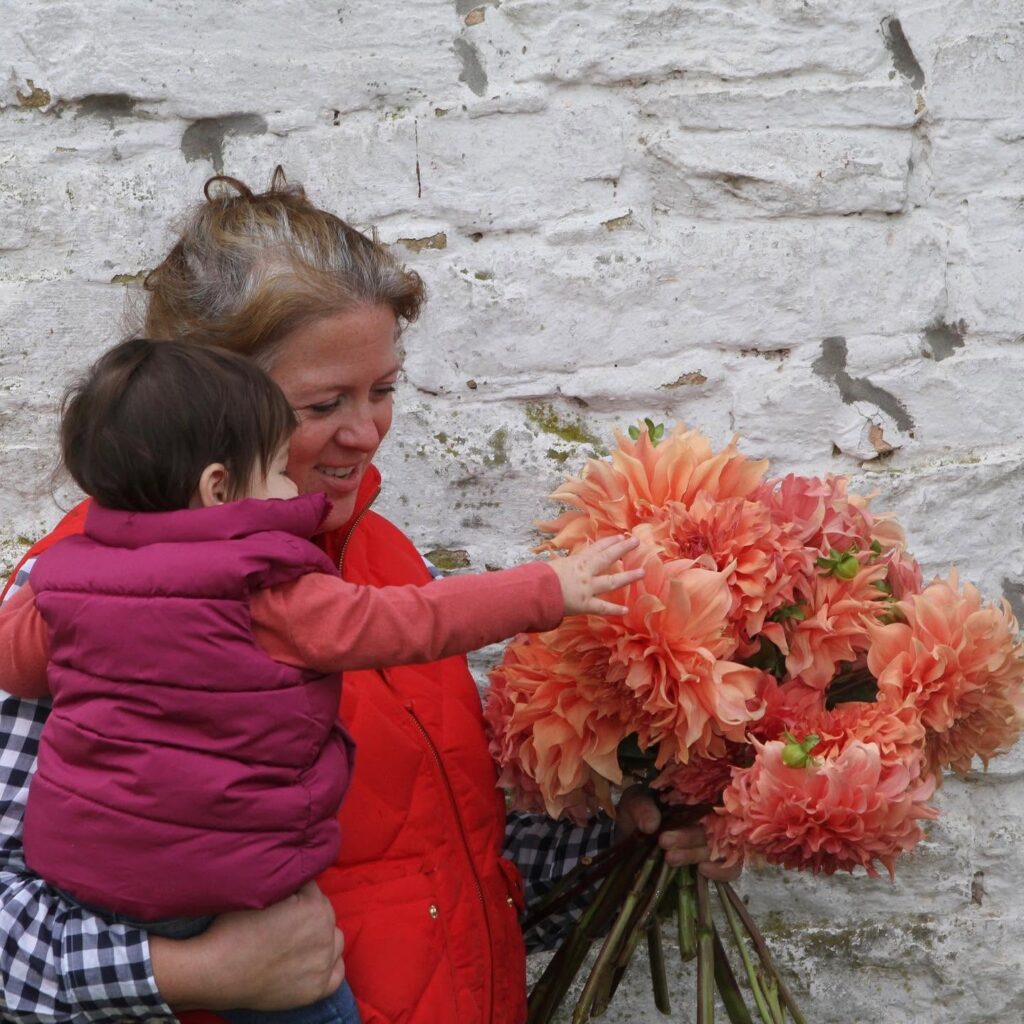
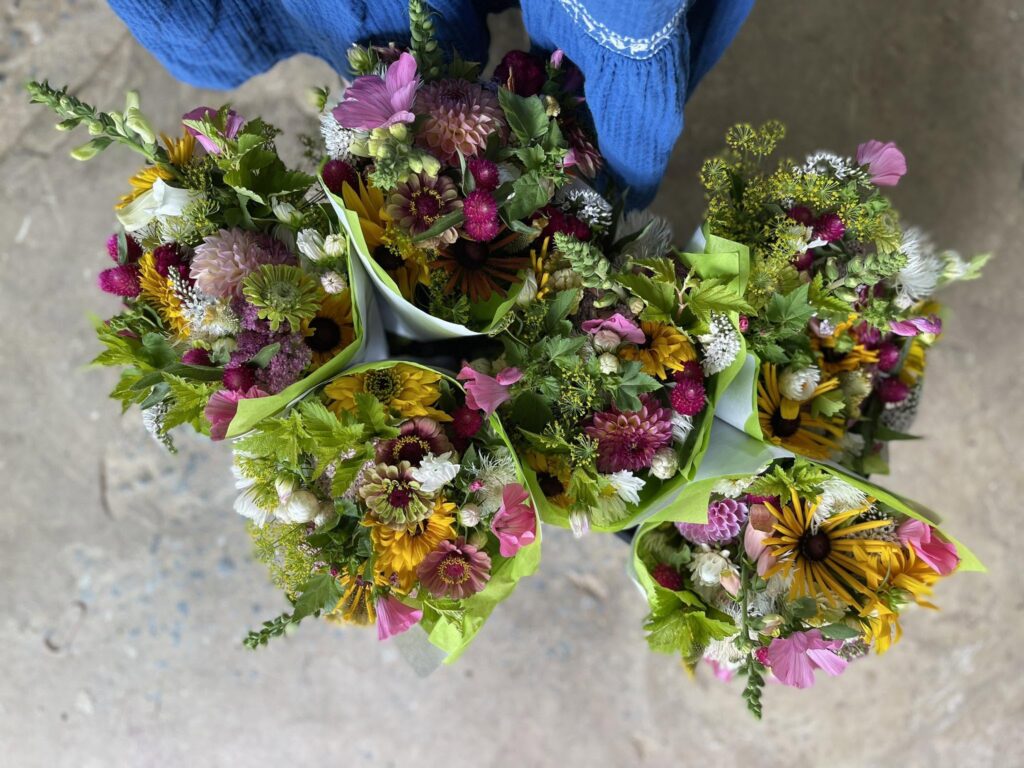
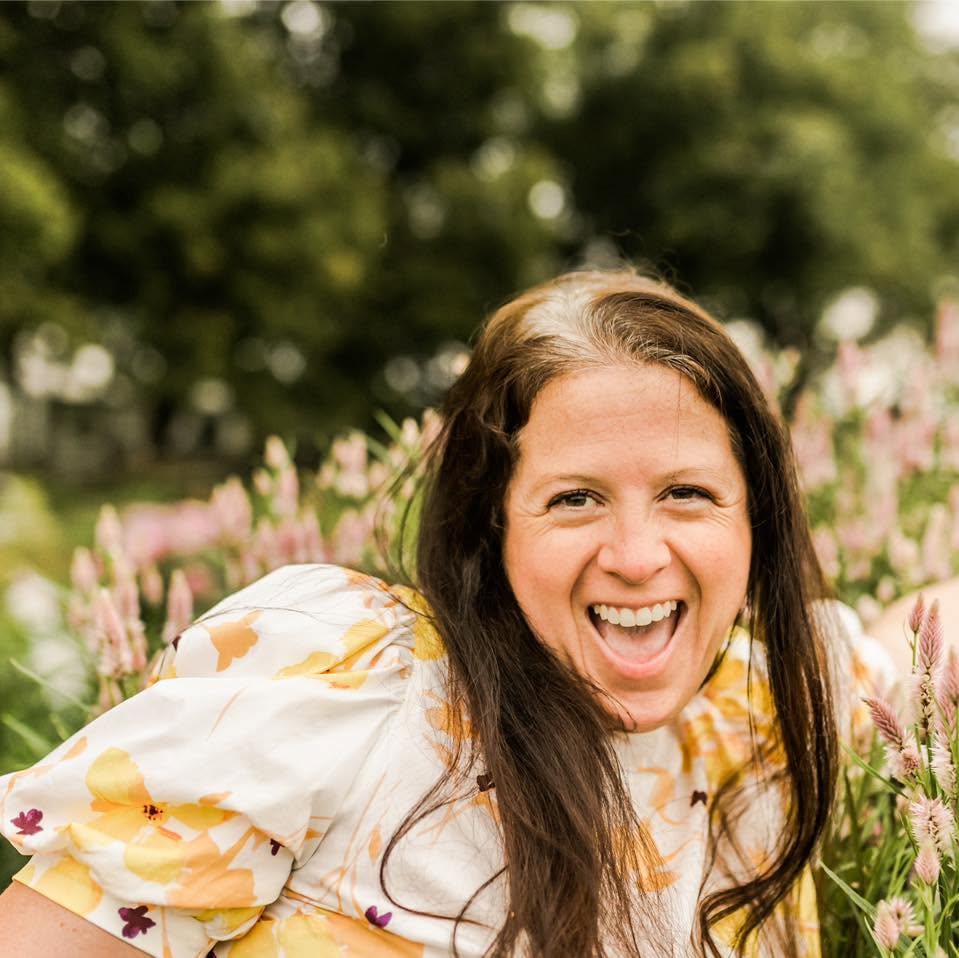
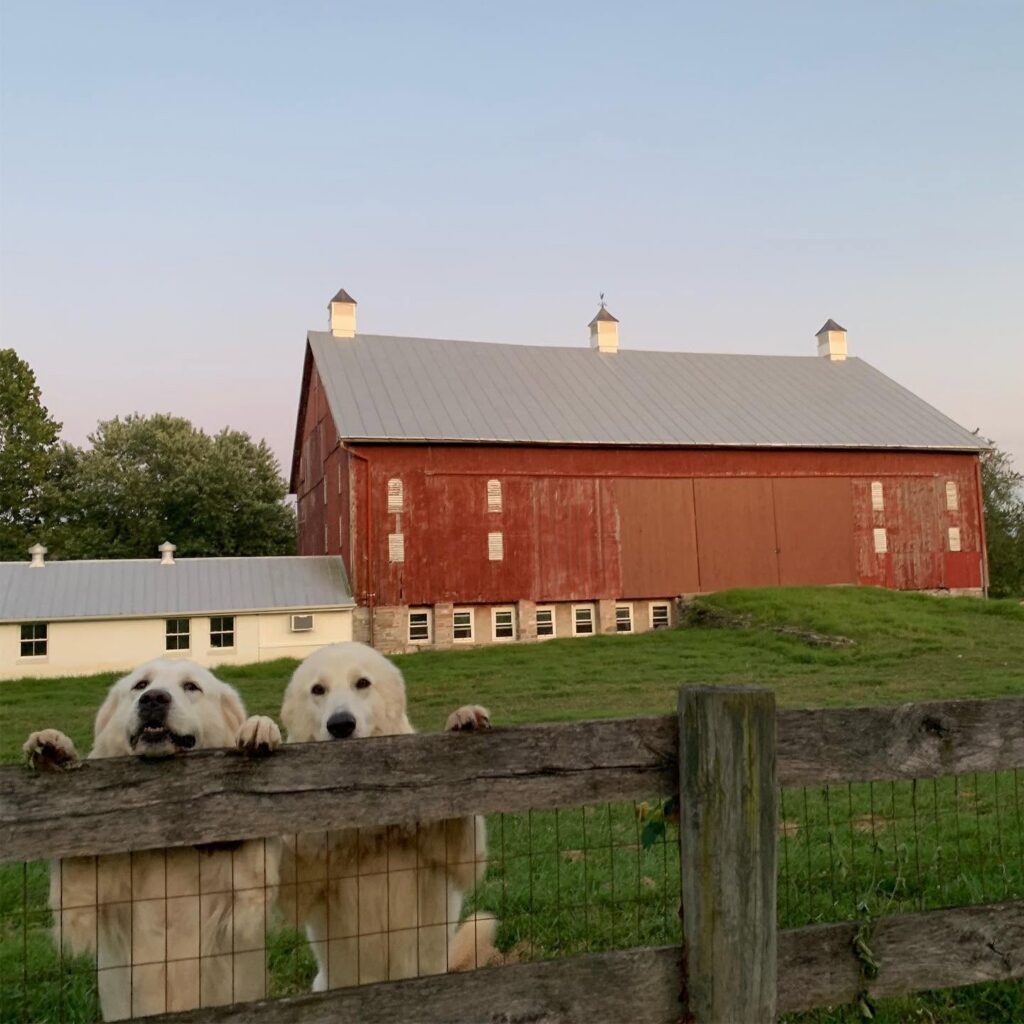
For Morgan Belle, growing flowers is more than a business – it’s a way of connecting people to the beauty of each season. As the owner of Belle Blooms Farm, a sustainable cut flower farm serving the Frederick area, Morgan specializes in cultivating unique, locally grown blooms for weddings, events, florists, and flower lovers throughout the region. Her fields are filled with carefully selected seasonal varieties, many of which can be found at local pop-up markets and through direct sales.
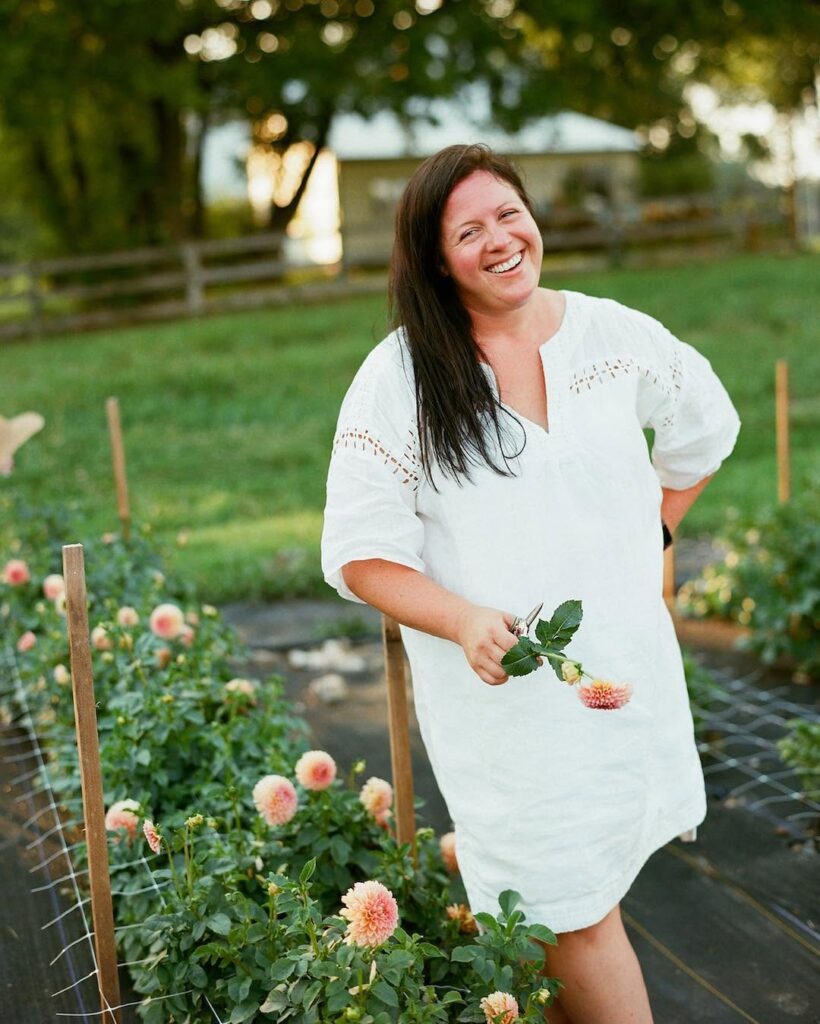


Working closely with the rhythms of nature has taught Morgan one of the most important lessons in gardening: timing matters. Whether growing flowers for a bridal bouquet or vegetables for the backyard garden, success often comes from understanding when to plant, when to wait, and how to work with the season rather than against it.
For gardeners in Zone 6b/7a, success begins with understanding timing…
When late winter lingers, it’s tempting to pull out seed trays and get a head start on the growing season. But when it comes to seed starting, patience often produces better results. Starting too early, especially with heat-loving crops like tomatoes and peppers, can lead to weak, leggy seedlings that struggle long before they make it into the garden.
For gardeners in Zone 6b/7a, success begins with understanding timing. Cool-season crops such as lettuce, spinach, peas, and radishes thrive in the chilly temperatures of early spring and can often be direct sown into the garden, even when light frosts are still possible. These hardy vegetables are well adapted to fluctuating spring weather and often perform best before summer heat arrives.
Warm-season crops require a different approach. While the average last frost date in our region falls in early to mid-May, warm-weather plants need more than frost-free nights, they need consistently warm soil and air temperatures to truly thrive. Planting too early can stunt growth and delay harvests, making patience one of the most valuable gardening tools.
Healthy gardens also start from the ground up. Before sowing seeds, enrich planting beds with a layer of compost to improve soil structure and fertility. Once a stretch of mild weather arrives, many hardy greens can be planted directly outdoors. For added protection during unexpected cold snaps, simple row covers can help buffer young plants from harsh conditions. You may be surprised by just how resilient many cool-season crops can be.

If you’re starting seeds indoors, simplicity is key. Clean containers, a quality seed-starting mix, and a basic grow light are often all you need. While a sunny windowsill may seem sufficient, most seedlings require more consistent light than a window can provide. Without adequate light, plants quickly become stretched and weak. Always follow the instructions on the seed packet, as germination requirements vary. Some seeds need to be buried beneath the soil, while others require light exposure to sprout.
As the season progresses, consider succession planting to extend your harvest. Rather than sowing everything at once, stagger plantings every few weeks. Crops like beans, cucumbers, and squash perform best when direct sown and replanted throughout the season, while tomatoes and peppers benefit from an indoor head start before transplanting outdoors.
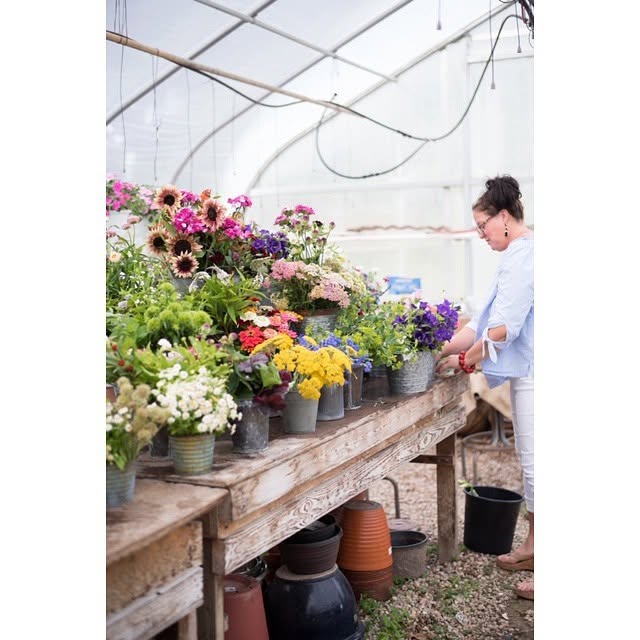
And don’t forget the flowers. Easy-to-grow varieties such as zinnias, marigolds, and nasturtiums bring vibrant color to the garden while attracting pollinators and beneficial insects. Whether planted alongside vegetables or in dedicated cutting beds, flowers add beauty and biodiversity to any growing space.
Seed starting doesn’t have to be complicated. With a little planning, the right timing, and a willingness to work with the seasons, gardeners can enjoy healthier plants and more productive harvests. The goal isn’t perfection – it’s learning, growing, and enjoying the process along the way.